
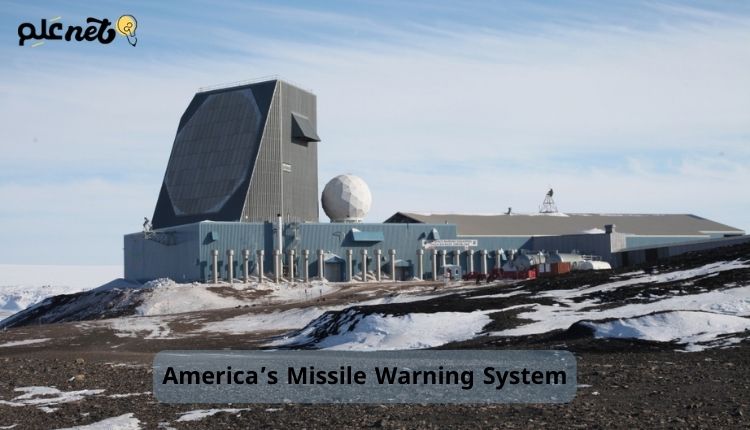
From a distance, the massive white domes scattered across Colorado look like oversized golf balls—silent, unmoving, and almost decorative. But inside these 100-foot-tall structures lies some of the most important technology in the world: equipment capable of detecting a missile launch from halfway across the globe.
These facilities form a central pillar of the missile warning system that protects the United States and its allies every second of every day.
In this in-depth report, we step inside these restricted, heavily protected radomes; meet the Guardians who operate the system; and follow a real-world missile detection scenario to understand how America prepares for the unthinkable.
What Are Radomes and Why Do They Matter?
At first glance, radomes blend seamlessly into the suburban skyline of Aurora, Colorado. Many residents drive past them daily, unaware that just behind these fiberglass shells, a global missile detection network is constantly at work.
Radomes house powerful satellite antennas that communicate with spacecraft orbiting 22,000 miles above Earth. These satellites detect infrared heat signatures from missile launches the moment they leave the ground. The antennas inside the radomes then receive, transmit, and relay that data in real time to operators at Buckley Space Force Base.
Together, these systems help determine:
- Where a missile was launched
- How fast it is moving
- Its trajectory
- Whether it poses a threat to the United States or its allies
They are the quiet guardians of the nation’s skies.
The Three Layers of America’s Missile Detection Network
To understand how the missile warning system operates, it’s essential to explore the three interconnected layers that make early detection possible.
1. Space-Based Infrared Satellites
High above Earth, satellites equipped with advanced infrared sensors scan for even the faintest thermal signature. These eyes in the sky detect heat plumes the instant a missile ignites.
2. Ground-Based Radars in Remote Regions
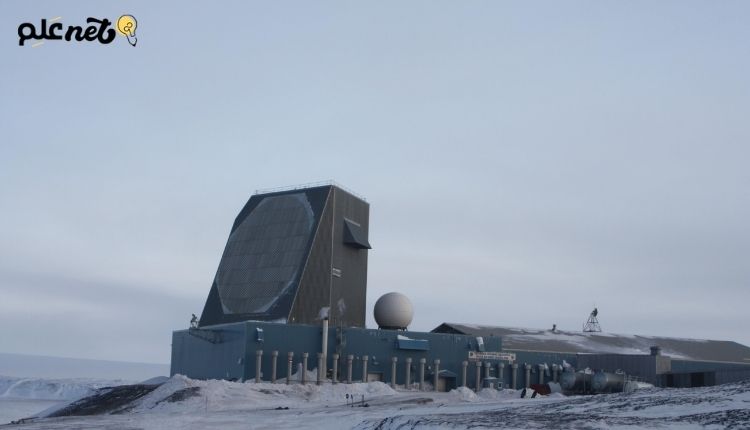
Massive radar stations in locations like Greenland and Alaska continuously track objects traveling through space. They provide secondary confirmation of a missile’s direction, speed, and potential impact point.
3. Radomes in Colorado and Beyond
The large domes in Aurora complete the chain, serving as the ground stations that receive satellite data and feed it directly to Space Force operators. While they resemble giant golf balls, their real mission is anything but recreational—they are critical to the defense of an entire nation.
Inside a Colorado Radome: What’s Really Happening
Stepping inside a radome feels like entering another world. Despite their stillness from the outside, the interior is full of motion, technology, and constant adjustment.
The antenna—nicknamed “Fred”—was built by Ford Aerospace in the early 1970s and remains an engineering marvel. It pivots, tilts, and rotates with precision, locking onto satellites thousands of miles above Earth. As Earth rotates, the antenna continuously adjusts its alignment to maintain an uninterrupted signal.
Protecting the Technology
The radome’s structure is made of 650 fiberglass tiles. Each tile weighs approximately 355 pounds, and the dome shields the sensitive antenna from:
- Snow
- Ice
- High winds
- Extreme temperature shifts
Another crucial purpose: preventing adversaries from seeing where the antenna is pointed.
Maintaining a 50-Year-Old System
Even with its age, the antenna performs a job too important to fail. Space Force technicians conduct maintenance checks twice a day, listening for everything from vibrations to unusual motor sounds. Just like a vehicle engine, any small anomaly could indicate a deeper issue.
“Read Also: الصفقة العسكرية بين مصر والولايات المتحدة“
Beyond the Radomes: Enter the Operations Floor
If the radomes are the arms of the system, the operators at Buckley Space Force Base are its brain. Normally sealed behind classified access, the operations floor is where raw satellite data becomes actionable intelligence.
Who Works Here?
The ops floor brings together three essential roles:
Crew Commander
The leader overseeing all operations. Comparable to a conductor or quarterback, the crew commander coordinates every operator, engineer, and intelligence specialist.
Cyber Defense Team
Responsible for securing the system against hacking or state-sponsored cyberattacks. Without them, hostile actors could attempt to disrupt or manipulate missile detection systems.
Mission Delta 4 Leadership
They oversee the entire missile warning and tracking enterprise, ensuring every layer—from satellites to radars—is functioning seamlessly.
“Read Also: احتجاز السفينة الروسية“
A Realistic Missile Warning Scenario: What Happens in Seconds
To demonstrate how quickly the missile warning system responds, a real-time training scenario simulated multiple missile launches originating from Yemen. What unfolded mirrors what operators experience when real missiles are launched.
H2: Phase 1 – Detection
Satellites detect infrared signatures as missiles leave the ground. That data is sent through the radomes to arrive on operator screens within seconds.
H2: Phase 2 – Verification
No missile alert is ever sent based on one person’s interpretation. Two operators must independently confirm the detection before it can be sent up the chain of command. This “two-person integrity” ensures accuracy during moments where errors could lead to catastrophic consequences.
H2: Phase 3 – Dissemination
Once confirmed, alerts are distributed to:
- U.S. military commands worldwide
- Coalition forces
- The Department of Defense
- The White House
- The President of the United States
What happens in this room directly influences national and international response decisions.
Real Events Show Why This System Matters
In June 2025, during the 12-day conflict between Iran and Israel, hundreds of missiles were launched. The Space Force provided the first warning of these launches, enabling U.S. and allied forces to prepare, protect infrastructure, and save lives.
During Operation Midnight Hammer—when U.S. B-2 bombers struck Iranian nuclear sites—the missile warning system provided early detection of retaliatory launches targeting U.S. and coalition bases.
In both cases, the guardians at Buckley played pivotal roles.
Leadership and Perspective: A Conversation With Brigadier General Casey “Shaggy” Beard
To gain a broader understanding of the mission, Brigadier General Beard offered insight into the Space Force’s responsibilities.
The Space Force—established in 2019—focuses on three key functions:
- Space Superiority: Orbital, electronic, and cyber warfare capabilities
- Global Mission Operations: Including missile warning, GPS, and satellite communications
- Space Access: Launch operations vital to national security
Despite the futuristic technology, the mission is grounded in discipline, training, and constant readiness.
Why the Missile Warning System Is One of America’s Most Critical Defenses
The system operates continuously—24/7, 365 days a year. Guardians working overnight shifts must maintain absolute clarity and accuracy. The public rarely hears about these operations because, when everything works perfectly, threats are neutralized before they become headlines.
Yet every radar pulse, every antenna movement, and every operator decision contributes to the national security of millions.
Frequently Asked Questions About the Missile Warning System
1. What is the primary purpose of the missile warning system?
Its main purpose is to detect, track, and verify missile launches anywhere in the world and deliver real-time alerts to U.S. and allied forces.
2. Why does Colorado have so many radomes?
Colorado’s location, weather patterns, and proximity to other major bases like Peterson Space Force Base make it ideal for ground stations and satellite communication infrastructure.
3. How fast can the system detect a missile launch?
Detection can occur within seconds of ignition, thanks to infrared satellites positioned in geostationary orbit.
4. Are civilians allowed inside radomes?
Access is extremely restricted. Even military personnel require special clearance due to the sensitive nature of operations.
5. Do radomes have anything to do with aliens?
No—despite common myths, radomes strictly house satellite antennas for communication and missile detection. Operators frequently clarify this misconception.
Conclusion: The Unseen Shield Protecting the Nation
Colorado’s radomes may look like simple structures, but they are vital components of the United States’ missile warning system—a system designed to detect threats instantly, analyze them accurately, and communicate them at lightning speed. From the operators at Buckley to the satellites high above the Earth, this network stands as one of the most advanced early warning systems in existence.
So next time you’re driving near Denver and spot those massive white domes rising above the horizon, remember: inside those “giant golf balls,” Guardians are working around the clock to keep the nation safe.