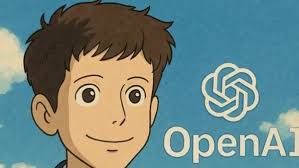
The AI cartoon trend and data privacy debate has recently taken over social media platforms. From family members and friends to coworkers, almost everyone seems to be transforming their personal photos into AI-generated caricatures and sharing them online. At first glance, it looks like harmless fun — a creative way to join a viral trend and express your digital identity.
But behind these colorful avatars lies a deeper and more complex reality. Many cybersecurity experts and technology analysts warn that participating in these trends may mean handing over large amounts of sensitive personal data to artificial intelligence systems — often without fully understanding how that data is stored, analyzed, or reused.
So the real question is not whether the trend is entertaining — it’s whether you are unknowingly stepping into the algorithm’s trap.
What Is the AI Cartoon Trend and Why Did It Go Viral?
In just a few days, AI-generated cartoon images flooded digital platforms. Timelines, profile pictures, and stories became filled with stylized portraits created using generative AI tools.
This sudden explosion in popularity happened for several reasons:
- The ease of use of AI tools
- The desire to follow viral social media trends
- Curiosity about how AI “sees” us
- The human need for social belonging and interaction
For many users, creating an AI caricature felt like a fun, one-time experience. However, the scale of participation raised serious concerns about what happens to the uploaded photos and personal prompts.
Why the AI Cartoon Trend Raises Privacy Concerns
According to cybersecurity specialists, when users upload their photos or enter detailed personal descriptions into AI tools, several things may happen:
- The platform collects the data.
- The data is analyzed by machine-learning systems.
- It may be stored for long periods.
- It can be used to train future AI models.
The issue is not only the image itself — it’s the additional information users often provide when the result isn’t accurate.
Many people unknowingly add:
- Their profession
- Personal preferences
- Physical characteristics
- Lifestyle details
This creates a highly detailed digital profile.
The Long-Term Digital Footprint
Once personal data is shared online, the risk increases significantly. The content can be:
- Copied
- Reused
- Republished
- Taken out of its original context
And in most cases, it becomes impossible to completely remove it.
Expert Warnings About AI and Personal Data
Cybersecurity leaders have highlighted a critical point: the more detailed the input, the more powerful the training data for AI systems.
When users try to “improve” their cartoon result by adding more personal information, they are effectively helping train AI models using their own identity.
Data and cloud-computing specialists also warn against sharing:
- Professional information
- High-resolution personal photos
- Sensitive personal details
without fully understanding how that data will be stored or processed.
“Read Also: Bitcoin Market Turning Point“
How to Try the AI Cartoon Trend More Safely

If you’re curious and still want to experiment, there are ways to reduce the risks.
1. Read the Privacy Policy Carefully
Understand what data is collected and how it is used.
2. Review Data Retention Settings
Check whether your content is stored and for how long.
3. Avoid Uploading Personal Photos
If privacy matters to you, do not use real images.
4. Opt Out of Data Usage
Many platforms offer options to disable data usage for training.
5. The Safest Choice: Don’t Use the Feature
If you are uncomfortable with the data practices, simply avoid participating.
Why Do People Follow Viral Trends So Quickly?
Psychologists explain that following trends is a natural human behavior. It is linked to:
- The need for belonging
- Social validation
- Curiosity
- Fear of missing out (FOMO)
However, trend participation often provides only temporary satisfaction and may negatively affect personal identity and independent decision-making.
“Read Also: Top Gold Investing Mistakes“
Real User Reactions to the AI Cartoon Trend
Many content creators and users who tried the trend later expressed mixed feelings.
Some reported a sense of discomfort, realizing that:
- AI now holds detailed information about them
- Their digital footprint became more extensive
Others pointed out that the generated caricatures reflected surprisingly accurate aspects of their personality, habits, and lifestyle — which raised even more privacy concerns.
A common conclusion among participants was clear: whether you joined the trend or not, AI systems already know a lot about you — but voluntary data submission makes that knowledge far deeper and more precise.
The Hidden Trade-Off: Fun vs. Identity
The AI cartoon trend presents a modern digital dilemma:
Entertainment and self-expression vs. data privacy and identity protection.
What seems like a simple image generation process may actually involve:
- Biometric data
- Behavioral patterns
- Personal preferences
- Professional information
And once this data is integrated into AI systems, its future use is often unclear.
How Algorithms Turn Trends Into Data Goldmines
Viral trends are not random. They spread because:
- They encourage mass participation
- They generate huge volumes of user data
- They increase engagement
From a technical perspective, every uploaded image and every prompt becomes valuable training material for AI.
Should You Be Worried?
There is no need for fear — but there is a strong need for awareness.
Being cautious does not mean rejecting technology. It means:
- Using it consciously
- Understanding its implications
- Protecting your digital identity
The Future of AI Trends and User Privacy
As AI tools become more advanced and accessible, similar trends will continue to appear.
The real challenge for users will be learning how to balance:
- Participation
- Creativity
- Privacy
- Data control
Digital awareness will soon become as important as digital literacy.
FAQs About AI Cartoon Trend and Data Privacy
1. Does creating an AI cartoon really collect my personal data?
Yes. Uploading photos and entering personal descriptions provides data that can be analyzed and stored by AI systems.
2. Can my uploaded images be used to train AI models?
In many cases, yes — depending on the platform’s privacy policy and settings.
3. Is it safe to try the trend once?
It can be safer if you avoid real photos, limit personal details, and review privacy settings.
4. Can I delete my data after using AI tools?
Some platforms allow this, but complete removal is not always guaranteed.
5. Why do people still participate despite the risks?
Because of social influence, curiosity, and the human desire to be part of trending conversations.
Conclusion
The AI cartoon trend and data privacy discussion is not about stopping people from enjoying new technology — it is about making informed choices.
Following viral trends without understanding how they work can turn personal identity into training material for algorithms. The more data you share, the more detailed your digital profile becomes.
So before you upload your next photo or type a deeply personal prompt, pause and ask yourself:
Is the fun of the trend worth the data you’re giving away?
If this article helped you see the trend from a new perspective, share it with others and start a conversation about digital awareness — because protecting your identity online begins with a single informed decision.